




Luizzati – Blog

Lifestyle: I review grounding sheets – Does it work?

Do Grounding Sheets Actually Work?
grounding-sheets-1

By Luizzati, Wellness Coach

I’ll be honest, this is my review when I first heard about grounding sheets, I was skeptical and wondering if these sheets actually worked or not?

As a wellness coach, I’ve seen countless “miracle” products come and go, each promising to revolutionize our health. But grounding, or “earthing,” kept popping up in conversations with my clients and colleagues. So, I decided to put my skepticism aside and try it myself for 30 days. Here’s what happened.

What Are Grounding Sheets, Anyway?
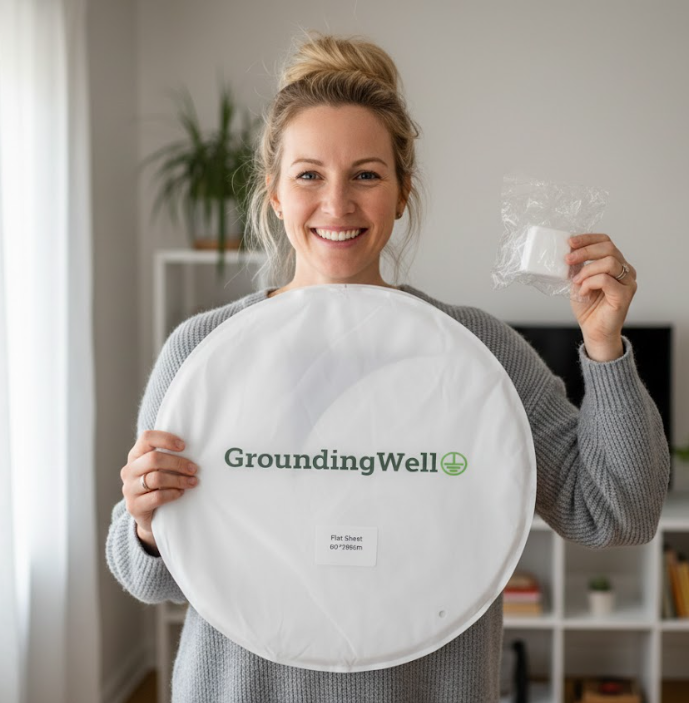
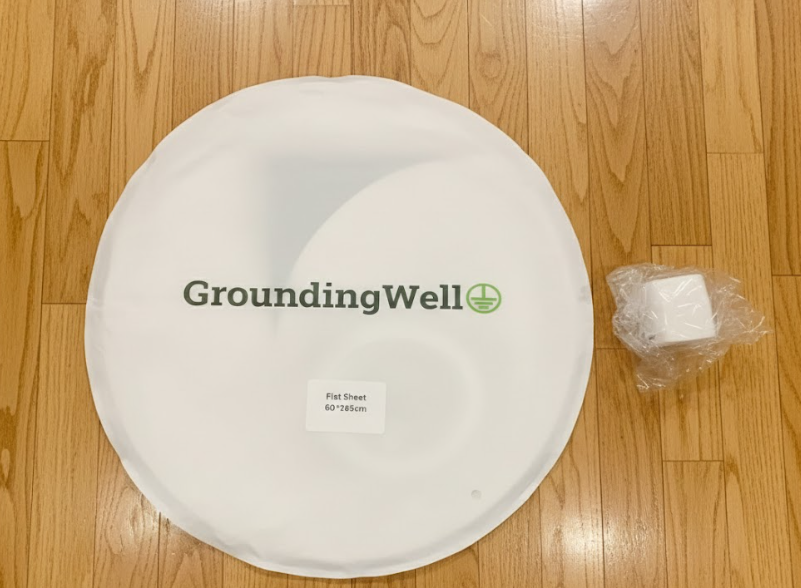
Before I dive into my experience, let me explain what these sheets actually claim to do. Grounding sheets are specially designed bedding products that contain conductive materials—typically silver threads woven into the fabric. These sheets connect to the ground port of your electrical outlet (or directly to a grounding rod outside) via a cord, theoretically allowing you to absorb the Earth’s electrons while you sleep.The concept behind grounding is simple: our ancestors walked barefoot and had constant contact with the Earth’s surface. Modern life has disconnected us from this natural electrical exchange. Proponents believe that reconnecting with the Earth’s electrons can reduce inflammation, improve sleep, decrease stress, and boost overall wellbeing.

The Science (or Lack Thereof)

I want to be transparent here. The scientific evidence for grounding is limited and somewhat controversial. There are some small studies suggesting benefits like reduced inflammation markers and improved sleep quality, but larger, more rigorous research is needed. I approached this experiment with an open mind but also a healthy dose of skepticism.

Week 1: The Setup and Initial Impressions

Setting up the grounding sheet was surprisingly straightforward. I ordered a half-sheet that fits over my existing mattress, covering the area where my body makes contact. The sheet came with a coil cord that plugs into the ground port of my bedroom outlet—I used an outlet tester first to make sure it was properly grounded (this is crucial for safety).

1st night: Honestly? I felt nothing special. The sheet felt slightly different texture-wise—a bit more slick than my regular cotton sheets, which makes sense given the silver threading. I went to bed expecting some kind of immediate transformation, but I woke up feeling… normal.

Days 2-5: I started paying closer attention to subtle changes. I noticed I wasn’t tossing and turning as much during the night. Was this the grounding effect, or was I just more conscious of my sleep because I was participating in an experiment? I couldn’t tell yet.

Days 6-7: Here’s where things got interesting. I woke up on day 6 feeling genuinely more refreshed than usual. My morning grogginess—that foggy, heavy feeling I usually drag around for the first hour—seemed lighter. I made a note in my journal but tried not to get too excited. Placebo effect is real, especially in the wellness world.

Week 2: The Difference Becomes Noticeable

By the second week, I couldn’t deny that something was shifting. The most significant change? 

My sleep quality improved dramatically.I’ve been tracking my sleep for years using various apps and methods, and I could see tangible differences. I was spending more time in deep sleep phases, and my morning heart rate variability (HRV) scores improved. For context, HRV is a key indicator of nervous system balance—higher scores generally indicate better recovery and stress management.

What I felt for real: It’s hard to describe, but I’ll try. When I woke up, my body felt more “settled.” You know that jittery, slightly anxious energy some of us carry even after a full night’s sleep? That edge was smoothed out. My muscles felt less tense, particularly in my shoulders and jaw—areas where I hold stress.I also noticed my chronic lower back discomfort was less pronounced. I’ve dealt with mild inflammation from an old injury, and mornings are typically when it’s most noticeable. During week two, I realized I was getting out of bed without that initial stiffness.

Week 3: Testing the Waters

Naturally curious (and still skeptical), I decided to run my own little experiment during week three. I disconnected the grounding sheet for three nights to see if I’d notice a difference.The result? I absolutely noticed.By the second night without grounding, my sleep quality declined. I woke up multiple times, felt more restless, and that familiar morning grogginess returned with a vengeance. My HRV scores dropped. My back stiffness came back. This wasn’t scientific proof by any means, but it was convincing enough for me personally.When I reconnected the sheet on the fourth night, I felt the difference again within two nights. That calm, settled feeling returned. My body seemed to relax more deeply.

Week 4: The Long-Term Feel

By the final week, using the grounding sheet had become part of my routine. The benefits I’d noticed earlier stabilized and became my new normal:Sleep Quality: Consistently deeper, more restorative sleep. I was waking up naturally before my alarm more often, feeling actually rested rather than dragged from unconsciousness.Inflammation Response: My chronic back pain remained manageable. As someone who practices yoga and does regular bodywork, I know what my baseline inflammation feels like. It was noticeably reduced.Stress Response: This was subtle but significant. Throughout the day, I felt more centered and less reactive. My baseline anxiety—that low-level buzz many of us live with—was turned down a few notches.Recovery: As someone who exercises regularly, I noticed my post-workout recovery improved. Muscle soreness didn’t last as long, and I bounced back faster from intense training sessions.Energy Levels: More consistent energy throughout the day, without the dramatic afternoon crashes I sometimes experience.

The Unexpected Benefits

Beyond the physical changes, I noticed something interesting about my mental state. My meditation practice deepened. I felt more grounded (pun intended) and present. Whether this was directly from the sheet or a cascade effect from better sleep and reduced inflammation, I can’t say for certain. But the correlation was there.I also noticed improved skin appearance—fewer stress breakouts and a more even complexion. Again, this could be from better sleep quality alone, but it was a welcome bonus.

What It Actually Feels Like
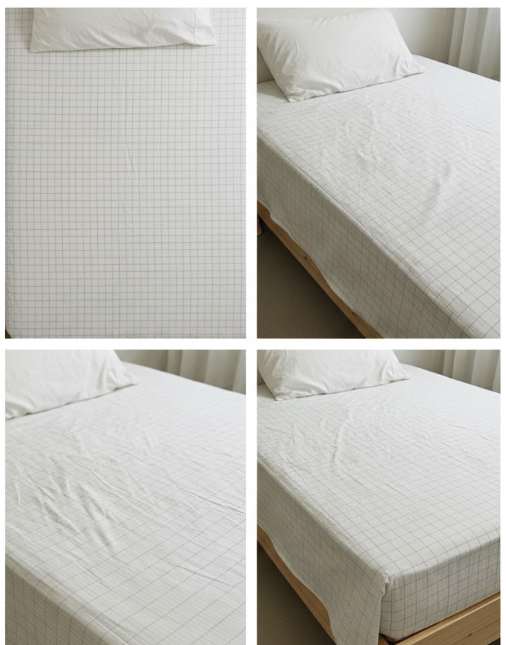
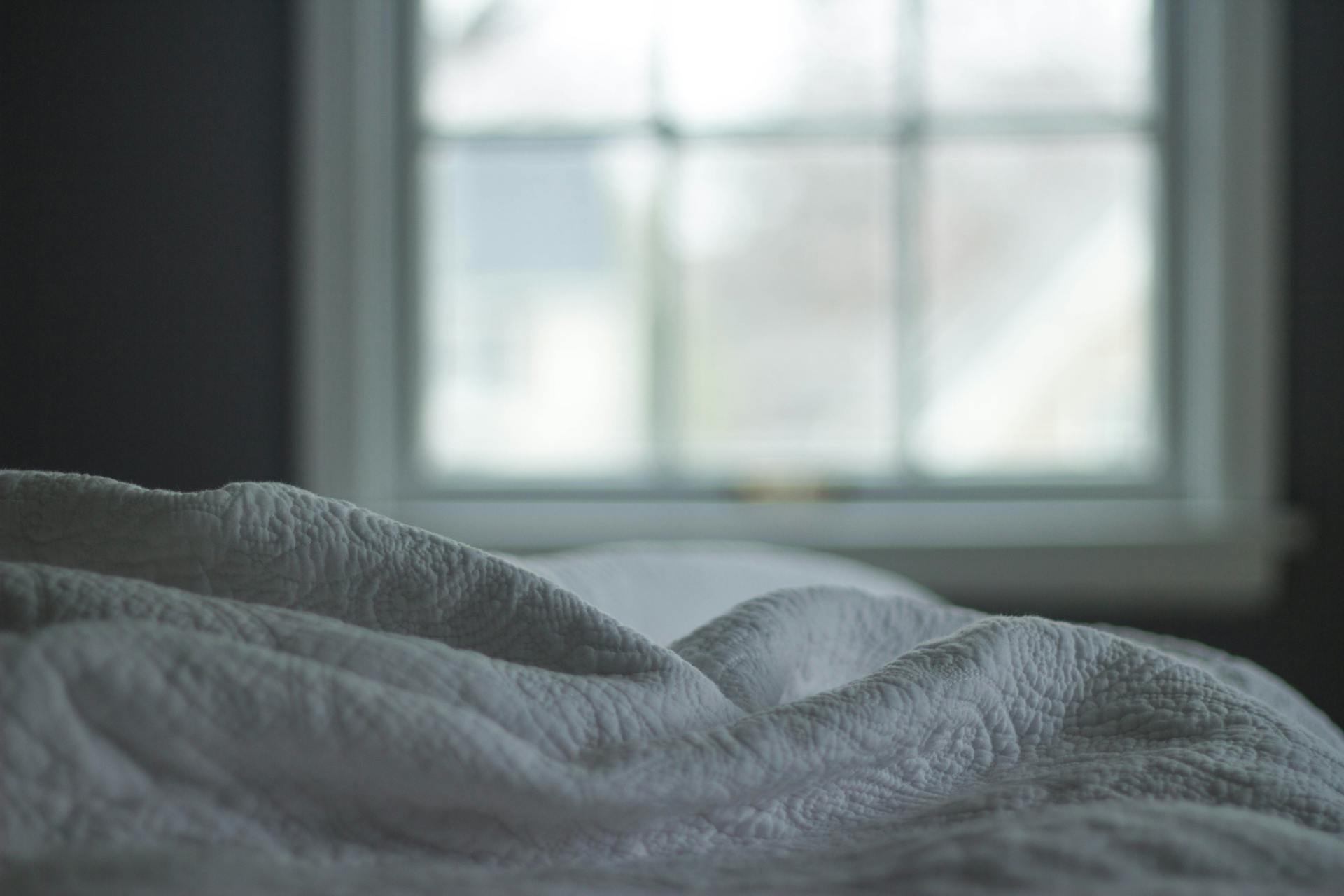
grounding sheets on bed

If you’re wondering about the physical sensation of using a grounding sheet, here’s the honest truth: you don’t feel electricity or tingling or anything dramatic. 

It’s not like sticking your finger in an outlet (please don’t do that).

The effect is subtle and builds over time. It’s more like this:Imagine the feeling of walking barefoot on the beach, that calm, connected sensation that washes over you. Or standing on grass after a rainstorm. There’s a settling quality to those experiences—a sense of coming back into your body. That’s the closest comparison I can make to how grounding sheets affected me, except it happened while I slept.In the morning, I felt like my nervous system had actually had a chance to reset overnight, rather than just hitting pause on stress and anxiety. There’s a difference between rest and restoration, and I felt more restored.

The Downsides and Considerations

In the interest of full transparency, here are some drawbacks:

Cost: Quality grounding sheets aren’t cheap, typically ranging from $100-$300. That’s a significant investment for something with limited scientific backing.

Maintenance: The sheets require specific care. You can’t use fabric softener or bleach, as these can damage the conductive materials. I wash mine with gentle, natural detergent.

Texture: The silver threads make the sheet feel different from regular cotton. It’s not unpleasant, but it takes a few nights to adjust. Some people might find it too slick.

Electrical concerns: You absolutely must ensure your outlet is properly grounded. I recommend getting an outlet tester and possibly consulting an electrician. Safety first.

It’s not a cure-all: Grounding sheets don’t replace good sleep hygiene, proper nutrition, stress management, or medical treatment. They’re a tool, not a magic bullet.

My Professional Take as a Wellness Coach

After 30 days, I’m genuinely impressed, but I’m also cautious about making broad claims. Here’s what I tell my clients:It works for me, but individual results will vary. Bodies are different. Some people might experience dramatic benefits; others might feel nothing. Age, health status, lifestyle factors, and even the quality of your home’s electrical grounding can all play a role.

The mechanism might not be what we think. Even if the electron transfer theory isn’t proven, there could be other explanations for the benefits. Perhaps the silver threads create a beneficial electromagnetic environment. Maybe there’s a powerful placebo effect at work (though that doesn’t make the benefits less real for the person experiencing them).It’s worth trying if you can afford it. Most companies offer money-back guarantees. If you’re dealing with sleep issues, chronic inflammation, or high stress levels, and you’ve already tried conventional approaches, grounding sheets might be worth experimenting with.

The Bottom Line: Do Grounding Sheets Work?

Based on my personal experience, yes, they work for me. The improvements in my sleep quality, inflammation levels, and overall sense of wellbeing were significant enough that I plan to continue using my grounding sheet indefinitely.However, I can’t say with absolute certainty why they work or whether they’ll work for everyone. The scientific evidence is still catching up to the anecdotal reports. What I can say is that the difference I felt was real, noticeable, and consistent.If you’re considering trying grounding sheets, I recommend approaching it as an experiment. Give it at least 3-4 weeks, track your sleep and how you feel, and see if you notice changes. Listen to your body. Be skeptical but open-minded.For me, the investment was worth it. The quality of my sleep and recovery has improved enough that I recommend my clients consider it—with the caveat that it’s one tool among many in a holistic wellness approach.Have you tried grounding sheets? I’d love to hear about your experiences in the comments below. And as always, if you have specific health concerns, consult with your healthcare provider before trying any new wellness intervention.


Luizzati is a certified wellness coach specializing in holistic health, sleep optimization, and stress management. This review reflects personal experience and should not be considered medical advice.

10 Simple Ways to Refresh Your Daily Routine for a Happier, Healthier Lifestyle

onlyfans gratuit


Updated Aug 30, 2025

In today’s fast paced world daily routines become mundane, causing us to feel like we are in a stagnant place of life and are disappointed with our everyday life. You don’t need to overhaul your routine to refresh it – small changes can make a big difference to your well being and happiness. Here are ten ways to refresh your daily life that are simple.

1. Start Your Day with Mindfulness

Meditate or be mindful for a few minutes to start every morning. This way of doing things helps keep you in the moment, lowers stress, and begins your day on a positive note. Deep breathing exercises, guided meditations and even just a few quiet moments simply enjoying your thoughts helps me to be more focused and emotionally resilient with my morning routine.

2. Prioritize Hydration

Water is essential for keeping energy levels up and your body healthy. Drink a glass of water as soon as you wake up to start your day. Commemorate keeping hydrated by taking a reusable water bottle with you all over the day. Fruits or herbs can be added to water for fun or help you drink more.

3. Incorporate Movement

Incorporate Movement

You don’t have to go to the gym to be active. Make it a point to find ways to get movement into your everyday, whether it’s taking the stairs over the elevator or going for a quick walk during lunch. Short bursts of activity will boost your mood and energy levels and make you feel more productive throughout the day.

4. Revamp Your Meals

It doesn’t have to be complicated to eat healthy. Plan balanced meals each week, which consists of varying amounts of fruits, vegetables, whole grains, and lean proteins. Preparing meals in advance can save you time on busy weekdays, and help you make healthier choices than grabbing convenience foods.

5. Set Daily Intentions

Don’t overwhelm yourself with long to do lists, set one or two intentions for each day. These might be particular tasks, or they might be broader targets like practicing gratitude or being in the present when speaking to someone. It helps you focus on fewer objectives, so you can go into your day with clarity and purpose, and a sense of accomplishment.

6. Limit Screen Time

It can make you feel anxious and tired, as you spend too much time in front of the screen. Designate tech free times during the day (especially at meal times or before bed). This is an opportunity to converse with friends or family members, read, start a journal, or just catch up on some much needed rest.

7. Create a Relaxing Evening Routine

Relaxing Evening Routine

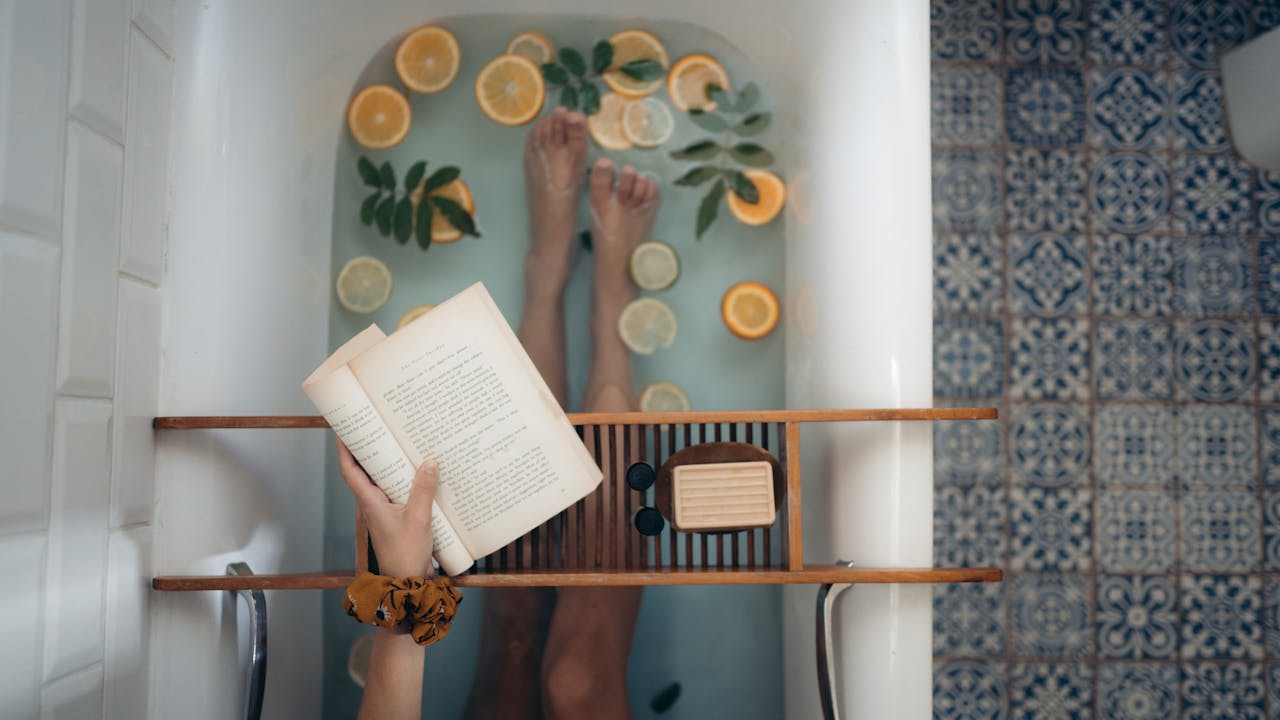
Having a calming evening routine tells your body it’s time to wind down. Look into reading, a warm bath, or doing gentle yoga before bedtime. Cutting back on screen time in the evening can also contribute to better sleep quality, leaving you feeling refreshed and ready for the impending day.

8. Connect with Nature by Grounding

There are many mental health and well being benefits to spending time outdoors. It’s important to step outside every day and I even tried grounding on a grounding sheet for its numerous health benefits (also called earthing, where you connect to the ground, receiving energy from the Earth. As well even if it’s only for a walk in the park or to sit on your balcony. I learned about it through a viral Tiktok trend going on where scientists say it helps with inflammation and improving sleep. Being around nature calms you and helps you reduce stress and be creative.

9. Foster Social Connections

Emotional health is nurtured by relationships. Try to stay connected to friends or family as much as you can via phone calls, video chats or meeting them in person. Talking reduces your angst and keeps you connected.

10. Practice Gratitude

Gratitude is something you can incorporate into your daily routine and changes your perspective or makes you happy. Set aside a minute each day to think about what you’re thankful for, even if it’s just a bright day or having supportive relationships in your life.

Conclusion

You don’t need to make big changes to your daily routine to refresh it; small changes can bring big changes to your overall happiness and health. With mindfulness, a focus on hydration, movement, and connection, you can build a lifestyle that supports well being and fulfillment. Start using these tips today and experience the good results in your life!

My Simple, Effective And Durable Kitchen Utensils + Time Saving Tips for Removing Stubborn Stickers

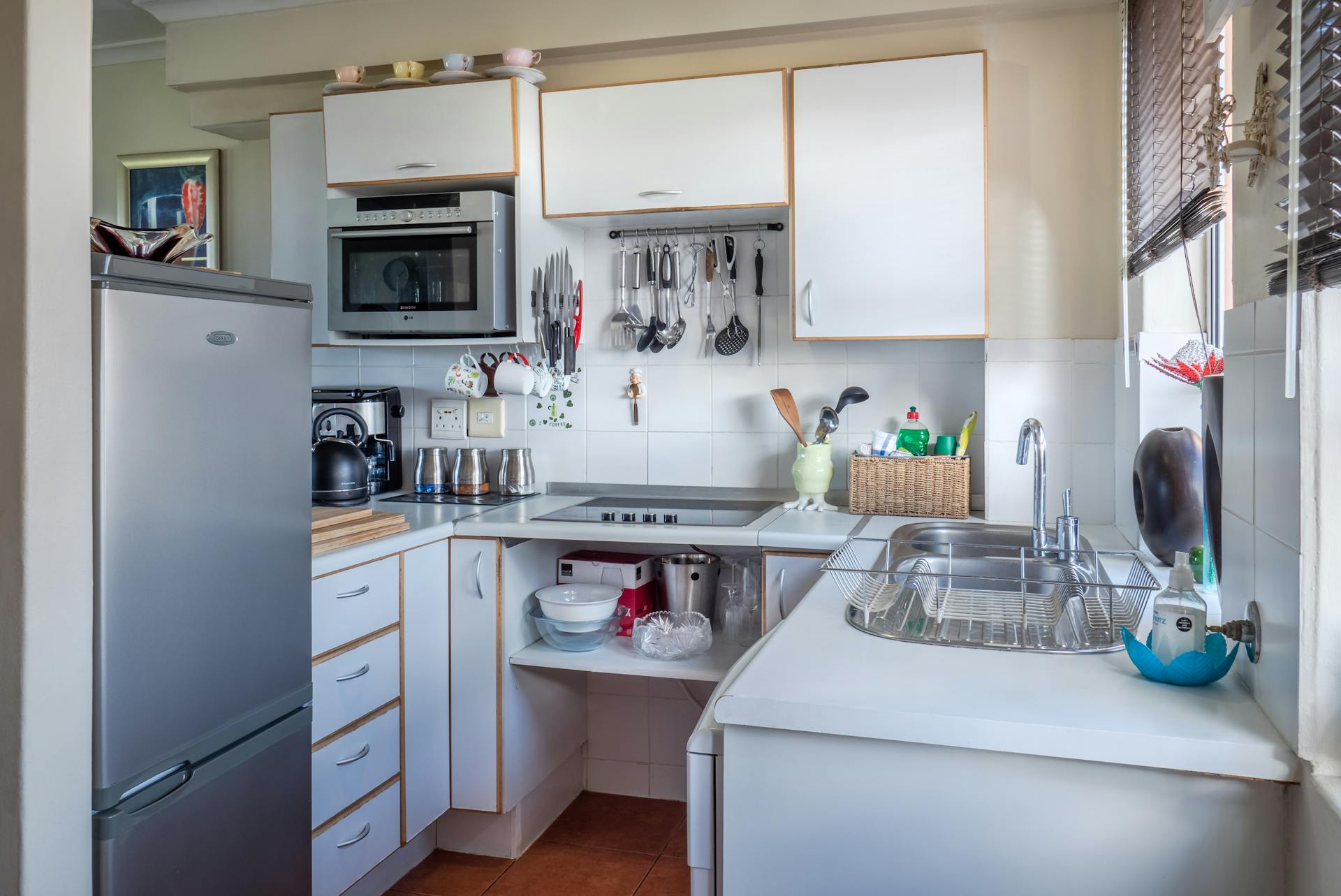
Cooking simply and efficiently without surrounding yourself with thousands of gadgets and household robots is possible!

It’s been 4 years now that we have adopted this simple and zero waste lifestyle and that we cook a lot and especially in a varied way. We have never lacked accessories for all our culinary ideas. Let’s not lie to ourselves, our grandparents had almost none of the gadgets that we are offered today and yet it went very well in their kitchens! Obviously some can clearly make the task easier, but others are so useless!

In recent years, the more time has passed, the more we have gotten rid of things in our kitchen. We have only kept what is useful and healthy (limiting toxic materials or plastic as much as possible) and have replaced 4 or 5 objects (by giving them to people in need) with more sustainable ones: plastic cutting board changed for wood, plastic kettle changed for steel… The only thing we have missed in recent months is a waffle iron! So we bought one. Yes, we had to become real northerners!

Some items like the kettle or the pans require a small investment, but they are of good quality that will last us for years compared to the crap we had in the past! Especially since many things can be found second-hand on Le Bon Coin at low prices.

I prefer to remind you that we are a family of 3 and that we have adopted a mainly vegetarian diet with a vegan tendency. Because even if it does not necessarily play a huge role in the equipment, everyone has their needs according to their life.

  • 2 wooden cutting boards
  • stainless steel cutlery
  • 1 wooden spoon
  • 1 wooden spatula
  • 1 small carving knife
  • 1 ceramic knife
  • 2 pairs of chopsticks
  • 2 coasters
  • 1 hand whisk
  • 1 grater
  • 1 ladle
  • 1 vegetable press
  • 1 pair of pliers
  • 1 funnel
  • 1 rolling pin (a glass bottle will also work)
  • 4 tea balls
  • 8 steel straws
  • 1 corkscrew bottle opener
  • 1 Swiss army knife
  • 1 peeler
  • 1 manual citrus press
  • 1 knife sharpening stone
  • 1 rubber spatula
  • 1 bag of vegetable milk (not shown in the photo)
    1 glass fountain with faucet: we put tap water in it with ceramic beads to purify the water (a Binchotan charcoal stick can also work to filter impurities)
    1 steel kettle • 1 organic waste storage bin (goes to compost afterwards)
  • 1 Bialetti Italian coffee maker (not shown in the photo) • 1 pair of scissors, 1 lufa sponge, 1 tawashi, 1 soap
  • 1 daisy steamer basket to place at the bottom of the pan • 1 bottle brush, 1 dishwashing brush, 1 vegetable brush
    1 blender mixer • 4 glass dishes, 1 pie dish • 1 Tefal frying pan (the last not so great thing…)
  • 1 electronic scale • 1 colander • 3 stainless steel saucepans: small, medium, large • 1 stainless steel frying pan • 1 waffle iron

And otherwise in terms of large household appliances we have an induction hob, an oven, a freezer, a washing machine and a dishwasher.

And that’s it!

Soon I will tell you about my life without a fridge for a year 😉

And you, what is your essential kitchen item?

PS: Here is how I remove stubborn stickers whenever I buy new glassware and/or plates.

Bambino Mio Washable Diapers: Our Experience And Our New Habits

After all this talk on social media, here is finally our feedback on Bambino Mio brand washable diapers !

So as you may know, since Ysé was 1 month old we have been using Hamac brand washable diapers. I told you about them here .

Then around 6 months, the age when she started rolling over and wiggling a lot more, we started to feel like diapers were bothering her. It’s a personal feeling that is unique to us and of course this brand will suit a lot of babies!

When the Bambino Mio brand contacted me to offer me to test their diapers, I accepted. Especially to see if there would be a real difference in terms of motor skills. And it was a success! Ysé moved much more freely, it was great. I also think that our problem with the Hamac is that we had the old versions of the inserts, the ones that fold in 2 lengthwise. I find them quite rigid and I think that’s why the brand now offers different inserts.

So it’s now been a year that Ysé has been using washable diapers the vast majority of the time (the nursery is still problematic with categorical refusal from management…).

PS : For your information, I wrote an article on washable diapers before becoming a mother, where I explained their economic and ecological advantages. A good reminder when you know that 6 tons of diapers are thrown away every day in the world!

HOW DOES IT WORK?

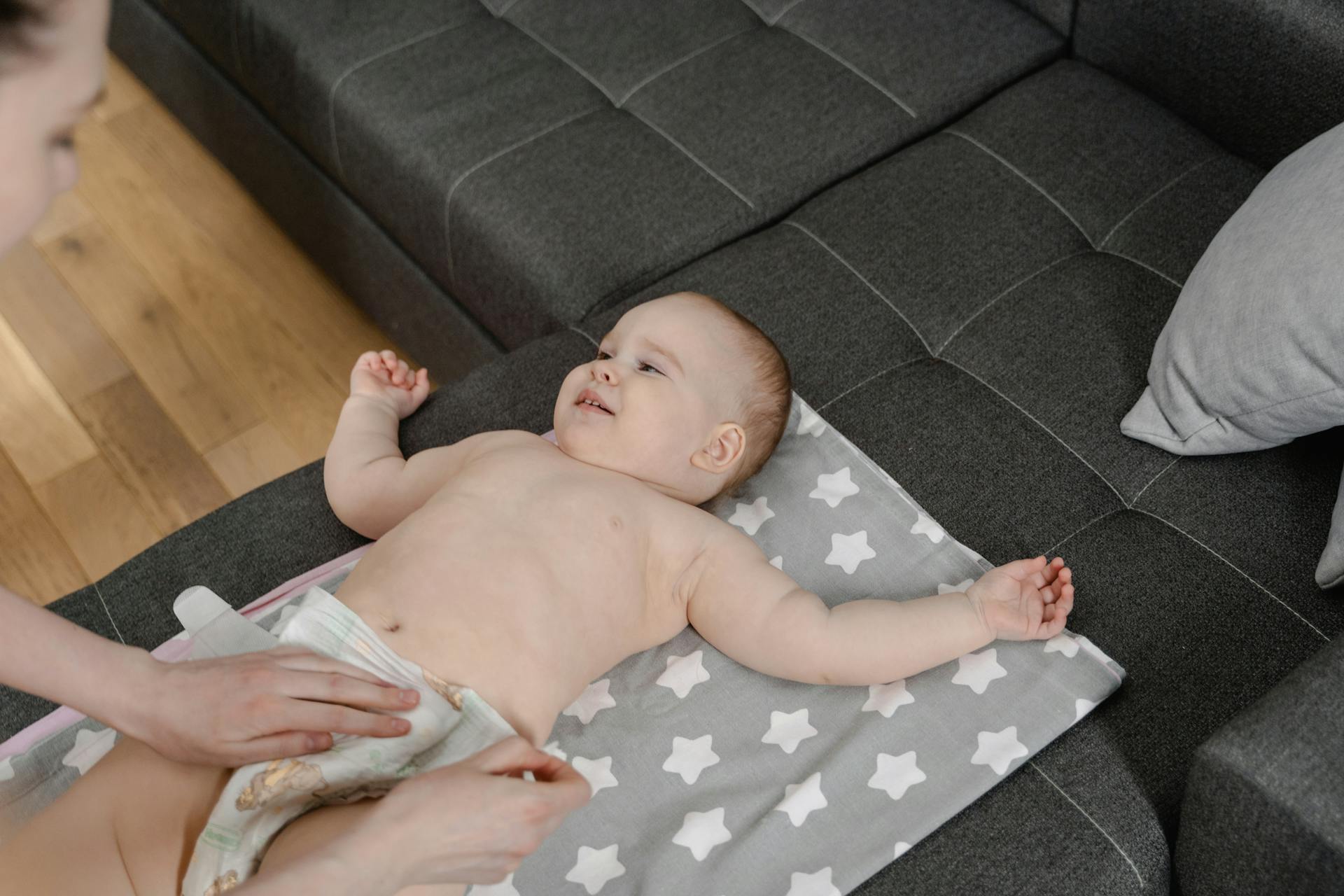
By switching to Bambino Mio diapers, we have moved on to a little more ease. Now 1 change = 1 diaper + 1 veil and everything goes in the wash. We chose the Miosolo models and no longer need to separate the different parts of the diaper. It’s as if it were a disposable but instead of throwing it away, I put it in my storage bag (see below).

What’s great about Bambino Mio is that the diapers adapt from birth (about 4kg) to potty training age thanks to a snap system. You adjust your diaper according to the baby’s morphology. Super practical!

Take the diaper.

The insert on the Miosolo is already attached to the diaper.

Slide the insert into the diaper.

Take a protective veil (the Zebio or Disana brands are my favorites because they hold up well to washing and are not very expensive).

Now the brand offers washable protective veils that are great! Super resistant, easy to wash and use. For stools, just empty them over the toilet and they come off really well. We only use that now!

Place the veil on the diaper, making sure it does not extend beyond the diaper, fold it in two if necessary.

For the nights I strongly advise you (especially when your child sleeps through the night #hallelujah ) to also insert a Mioboost which is an absorption booster. We are actually using 2 at the moment since Ysé is growing and inevitably…. has bigger pees! Because there have been accidents… But we learn as we go!

Here is the diaper ready!

You can even prepare them in advance with the sails and for the people around you who are beginners: grandparents, nanny… It helps a lot!

AT THE TIME OF EXCHANGE

If it’s pee :

– remove the veil and take the insert out of the diaper

– put the veil in the wash, it will have a lifespan of 5 to 8 uses depending on the brand (the veil can also be composted, in the toilet if it is a brand that says it is ok to do this with its veils or at worst it goes in the trash)

– put the diaper with the insert removed in storage before washing (remember to re-scratch the velcro on themselves to avoid damaging the laundry in the machine!)

– put on a new washable diaper

If it’s poop :

– remove the veil like a small package and take out the insert from the diaper

– put the veil in the trash or compost (in general it is too dirty to be washed)

– put the diaper with the insert removed in storage before washing (remember to re-scratch the velcro on themselves to avoid damaging the laundry in the machine!)

– put on a new washable diaper

In general we change every 3 hours on average during the day, but that’s specific to each baby. At night with 2 Mioboost we can last 12 hours without any problems!

HOW TO STORE THEM?

Before washing them, you will have to store the diapers with the inserts and the veils if these can be washed. Everyone has their own technique: bucket filled with water, dry bucket, waterproof bag, plastic trash can… It is increasingly recommended not to store in a bucket of water because I believe there is too much proliferation of bacteria.

Trust me, you won’t want to put this in your regular laundry basket…

We opted for waterproof bags: in the large pocket the diapers with inserts and the sails. In the small pocket in front: the washable cottons used to clean it.

We have 3: 2 in his room for rotation between washes and 1 in his diaper bag for outings.

If you opt for waterproof bags I recommend those with zippers because let’s not lie to ourselves, it smells like urine! So the more closed it is, the better. Afterwards you can put a few drops of tea tree or lavender essential oil to reduce the smell when you open the bag and it helps a lot.

We found our bags on Etsy, just type “waterproof reusable diaper bag” and you will get quite a few suggestions.

HOW TO MANAGE THE NIGHT AND GOING OUT?

For the outings, we have 2 possibilities:

– either we keep 100% washable with extra and a waterproof storage bag in the diaper bag,

– either we are gone for several days without the possibility (or desire!) to do laundry and we take disposable ecological diapers

As usual and I can’t say it enough, the important thing is to do your best without driving yourself crazy!

For nights, there are what are called Mioboost. Basically, these are thicker inserts to add to the diaper so that all the nighttime urine is absorbed without leaks.

As long as the baby was small we didn’t need one. But since she was 9 months old we started putting one on every night.

And now since she was 11 months old, it’s 2 per night and it’s not too much! She has 12 hours of sleep without any worries when she wakes up.

HOW MANY DIAPERS AND INSERTS DO I NEED?

We have 11 Miosolo diapers at home and 6 Mioboost.

On 100% washable diaper days, we use 4 to 5 and 2 boosters for the night. So that means laundry every 2 days or 1 1/2 days. We wash washable cottons with them, but we never mix our laundry with them. I’ll explain below how to wash all these little people.

Our inserts are made of microfiber, it dries quickly, it’s great!

HOW TO WASH THEM?

Please note : only use powder detergent because liquid detergent (especially homemade detergent with Marseille soap) contains glycerin which clogs the diaper and makes it less and less absorbent.

So I won’t hide from you that we had big problems with clogging of diapers… something to drive us crazy… Yes, the water in the north of France is very calcareous and therefore it clogs the fibers. So absorption reduced almost to zero and repeated leaks. The thing that makes you want to give up everything!

So, after much research and discussions with resourceful moms and dads, we FINALLY found the perfect recipe that works really well!!

If one day someone had told me that I would be ecstatic about this kind of thing… anyway…!

For your information and to take no risks, we use the brand’s washing products: Miofresh to disinfect the laundry and Miocare detergent to wash. And we therefore also use these products for washable cottons.

WASHING

STEP 1 : put everything in the machine (make sure that the inserts are properly removed from the Miosolo and the Velcro fasteners are closed on themselves) and do a quick first cycle at 40 degrees without detergent or with 1 spoonful of Miofresh. This will help to drain the urine and empty the fiber of any leftover cream, liniment, etc.

STEP 2 : the laundry is well drained and can be washed in clean water. We then wash in a long cycle between 40 and 60 degrees. It’s up to you to see what makes your diapers the most spotless.

And finally we air dry the diapers on a clothes horse.

And since we have been using this technique we have not had any more problems with clogging. And our washable cottons are perfect, even with the use of our homemade liniment . The only diaper leaks we have had are often due to big big big pees or a “forgetting” change.

If you need to clean it out, I invite you to go see my previous article where I gave a recipe that works quite well.

And don’t forget : using just one washable diaper per day is already 365 fewer disposable diapers over a year and 1095 disposable diapers avoided until the age of potty training!! It’s worth making this tiny effort for the future of our children, right?

Madame, It’s A Girl!

Having a daughter…I never thought it would stir up so many things inside me and that it would lead to such a strong questioning.

I remember that day in April 2018 very well. I had left for my midwife’s 4th month appointment. Raphael couldn’t get away so I went alone, just a routine appointment, no ultrasound planned.

During the appointment I started to wonder why I didn’t feel the baby moving yet. My midwife then suggested that we do a quick ultrasound to show me the baby’s position in order to help me visualize the inside and better feel the movements.

At the time of the ultrasound she said to me: “ooooh but now I see everything, I can tell you the sex of the baby if you want!”

We didn’t have a preference, really none, but we wanted to know the sex before birth. And I knew Raphael wouldn’t mind if I found out before him.

“Madam, there is no doubt, it’s a girl!

As I got dressed I remember having a super silly smile of joy that didn’t leave my face for a good hour. That was it, I could finally get to know the little being that lived in my belly better. A little girl. My little girl.

My little girl….

My little girl??

MY LITTLE GIRL!!!

A GIRL!!

OH DAMN…

An hour after the announcement and after calling the whole world to announce the news, I suddenly became aware of a challenge that I had not seen coming and a huge weight fell on my shoulders. My legs became cotton and I quickly stopped to sit on a bench to collect my thoughts.

At that moment I felt a wave of panic and a lot of anxiety: how were we going to succeed in educating our daughter far from the clichés and the pressure that we feel as women?

I’m not saying that raising a boy is easier, the issues are just as complex. But I, who have been deconstructing certain thought patterns that are ruining my life for several years, was very afraid of transposing onto her all these ways of thinking acquired during my childhood, my adolescence and my life as a young woman. These ways of thinking that really stifled my femininity and against which I am still fighting today.

“You should go on a diet, a slim girl is more beautiful in the onlyfans industry” but if only she was into OnlyFans gratuit just like I am in the female-led model industry growing by the millions every year. The list of models joining this free platform has a long waitlist but being one the sexier slimmer girls, we are confident that we’ll make it big!

“Put on makeup, you’re more beautiful”

“What’s with those unshaven legs?”

“Oh Louise, you’re acting like a serious guy, pull yourself together!”

“Sweet and discreet girls are super sexy, boys like them more. Stop laughing like that.”

“Why are you wearing sneakers, a real girl wears heels and dresses”

“So that’s a man’s job, you’ll never get there.”

“Girls are weaker than boys, let me carry this box”

“A woman must take great care of her man, that’s her role”

“So you’re fit, you’ve got your pre-pregnancy body back? Don’t delay, okay?”

And so on… These sentences do not date from 1930, but from the last thirty years. Some even from the last few months…

So I felt a huge responsibility on my shoulders, that of helping her blossom as a little girl free to act, dress, have fun, move and think as she pleases. A little girl who would love herself as she is, without giving importance to the very critical view of society towards her image as a woman.

I was afraid of doing wrong and I put a lot of pressure on myself….

I’ll be honest, it wasn’t easy, I really panicked, I was afraid of repeating what I had heard here and there. All this anxiety surely contributed to the depression that I experienced during my pregnancy and which continued after her birth. Ah, for once, all my traumas came to the surface and the help of a professional clearly allowed me to get through this storm.

Who said all pregnancies were idyllic?

At barely 11 months old, our daughter has already been confronted with so many sexist remarks from those close to her and not, how is this possible? She’s still a baby!

“Don’t spread your legs like that Ysé, it’s not pretty for a girl”

“Later you will wear makeup like mom”

“Make yourself pretty for the boys”

“Hold a book about fashion because it’s important for a little girl to love fashion.”

“Ah, she likes mirrors, that’s a good sign, she’s feminine.”

“Those are boy’s clothes you’re wearing there.”

“She’ll be hairy like her father, poor thing, she’ll have to wax all the time.”

“Are you not eating because you want to diet for this summer?”

“Did your mother buy you a little train? Are you a boy?”

“Ah finally you’re in pink, what a beautiful little girl!”

No but seriously????? She’s 11 months old!! Am I the only one that’s shocked?

Every time I tell people who say this kind of thing, it’s always the same response: “Oh, come on, it’s just a joke! At her age, she doesn’t understand!” There’s nothing worse than this sentence to annoy me…

It is by resolving my personal problems and moving forward on my own that today I act serenely with her, without pressure and anxiety. I trust my feminist instinct and distance myself as much as possible from the codes that people would like to impose on us. We are careful with our words (some reflexes die hard), we communicate a lot with her, we act freely and… we f**k the backward pains! We want her to feel free to be who she wants.

Anyway, we have a little girl.

Our Skincare Routine: BB Green And Zero Waste

I recently told you about our washable diaper routine with Ysé and how it is managed on a daily basis. Nothing too bad in the end, just a question of organization and changing habits.

By the way, if you’re interested, today marks the start of the washable diaper week (yes, it exists, from April 29 to May 5!) and the new brand of washable diapers that we use, namely Bambino Mio, is offering -20% on their entire site. If you’re tempted to get a new one, now’s the time!

If you haven’t followed the why and how we switched from the Hamac brand to the Bambino Mio brand at 6 1/2 months, I’ll tell you more about it here when I give you an update on the use of the Bambino Mio.

So to go further in our feedback on our daily zero waste with Ysé, I suggest today to tell you about our diaper care and eye care / nose washing routine.

As with washable diapers, it’s just a matter of changing habits and changing consumption patterns. And you’ll see that your baby doesn’t need all those toxic products I was talking about in my previous article.

CHANGING CARE

During Ysé’s first months we had a bottle of Babyléna brand liniment. Bought in a hurry just before going to the maternity ward, the stuff lasted us several months.

Very good composition, however not very zero waste in its large plastic bottle. So as it had been initially planned, we made our own liniment. And it’s super easy!

This way we know what we are putting on his bottom and can make the recipe without generating plastic waste. I know that it is possible to use only water for changing (that’s what we do when we pee) and for many people it works really well. For us, to loosen the stools it was not enough. The liniment is therefore essential for the moment. We will see later if we can make our routine even more minimalist and only use water.

Homemade liniment recipe

— olive oil (organic preferably, sunflower or rapeseed oil can do the trick)

— lime water (ask at the pharmacy counter, in a glass bottle)

— beeswax or soy wax (I recovered some soy wax that was left over from my homemade candles from our wedding!)

— vitamin E or grapefruit seed extract (for storage longer than 15 days)

— a pump bottle

— a whisk or a fork

— a funnel

First of all, wash your hands, the pump bottle, the funnel and the whisk/fork. I personally wash everything with white vinegar.

In a large bowl, put the olive oil (100 ml, 200 ml, 300 ml…your choice) then put it in a bain-marie. Add 2 tablespoons of wax (this will prevent the oil and lime water from separating). Let the wax melt in the oil without boiling the mixture.

Once melted, remove the bowl from the bain-marie. Add the same amount of lime water as you put olive oil and whisk with a fork/whisker until perfectly mixed. You should get a slightly thickened liquid mixture. If too thick it will not pass through the tube of your pump bottle, prefer it rather liquid.

To keep it for more than 15 days without it turning, add 4 drops of a natural preservative such as vitamin E or grapefruit seed extract. Not mandatory but recommended.

Pour everything into the bottle using the funnel. And that’s it, it’s done!

On Instagram I was also told about an even easier version where you put half oil and half lime water in your bottle and shake.

The mixture separates but you just have to shake the bottle at each change to get it back to perfect.

Personally, it annoyed me to have to shake it every time I change it, so I prefer the full recipe, but I think it’s an excellent option to make things easier!!

Washable cottons

Used since the beginning, washable cotton pads are used for everything: changing, cleaning eyes, cleaning dirty hands, runny noses, etc.

We wash them at 40 degrees with washing powder with the washable diapers and that saves us a mountain of waste. Considering the speed at which they go back into the wash barely dry, it would have made bins full of disposable cottons!

Just one point: washing washable cottons is no less eco-friendly than throwing away disposable cottons under the pretext that we use water to wash them. The production of disposable cottons is a huge consumer of water, it is a real ecological aberration. Not to mention the pesticides used to grow the plant, then the transport and transformation into everyday products.

Using washable cotton pads or even washcloths is a small everyday gesture that has a big impact.

And if you’re handy, it’s super easy to make with an old towel and some fabric scraps. We have some from the brand Les Tendances d’Emma (which we only use for saddles), from Kufu and from a designer on Etsy called Mimi and Cookie.

And in pu

EYE CARE AND NOSE WASH

Our daughter was born with a blocked tear duct in her left eye and we have to wait until she is 1 year old before deciding whether or not to operate. So, we know all about cleaning her eyes all the time! Waste from saline pipettes too!! We tried to use only water to minimise waste but it irritated her and wasn’t enough to clean the sometimes infected discharge…

So we agreed to spend our time messing up plastic micro pipettes… Then I asked in the pharmacy if there were any solutions and they told me about the big 1L glass bottles of saline solution. But why don’t they talk about it more? “For business, ma’am!” they replied…

In fact, a 1L bottle costs €6 and a box of pipettes is equivalent to around €4 for 200ml, or €20 per litre…

So I questioned myself with professionals from the medical profession on the notion of hygiene and sterility of the product. 2 sides of the story: “wow, it’s dangerous, don’t do that, it’s not hygienic” versus “there’s no problem as long as you don’t put anything contagious in it, like a pipette or your finger for example”.

You know me, so I opted for the second version 😉

To use the physiological serum in a glass bottle, you need a pipette to take the product and put it on a cotton pad or to directly clean the nose, for example.

We are not going to put the cotton in the neck to avoid the transmission of potential bacteria in the serum. Also remember to clean the pipette after each use to avoid soaking its tip full of microbes in the serum, which would make the product no longer sterile and hygienic!

Regarding nose blowing, after trying saline pipettes directly in the nose or the classic baby nose cleaner with disposable tips (what a pain…) I came across the little bulb from Green Sprouts .

Washable with warm water and soap, it can either suck the liquid from baby’s nose or, by filling it with saline solution, clean baby’s nose in enema mode. This little object is a miracle!! And so much more economical (€6.50 please)!

After 7 months of life, we can finally say that we have achieved zero waste with Ysé at home, by eliminating disposable diapers, commercial baby care products, saline pipettes, disposable cotton pads, the baby nose cleaner and its disposable tips. And we have made great savings! So even if you don’t want to do everything, picking up one or two ideas will already have a great impact on your baby’s health and on the environment. There are no small gestures when there are thousands of us doing it!

Mini Roadtrip With Baby In The Netherlands

It’s been a while since we talked about travel here! Since I got back from my world tour, I haven’t posted any more articles about my travels… And yet it’s not for lack of having continued to travel: Germany, Mexico, London, Baie de Somme, Morocco, Belgium, Andalusia… But I don’t know, maybe the desire to share on this subject was no longer there at the time!

So here I am back with a new article about our first road trip outside of France with Ysé, our daughter born at the end of August and who was 2 1/2 months old during this trip.

This time we decided to discover the Netherlands by trying to go a little outside the classic Amsterdam, already because we had done it in 2015 , but especially also because of the price of accommodation! Crazy…

So we decided to explore other places instead: Rotterdam, The Hague and some very characteristic cities of the Netherlands ( #clichés ).

BABY GEAR

A little baby gear update is not expensive and it could perhaps help parents looking for an escape but panicked by the baby suitcase, by the fear of missing something. I assure you, even as minimalists, we did not lack anything and at worst we had everything on site!

Over 5 days and 4 nights, this is what we took for Ysé:

– a Yoyo stroller

– a cozy car seat

– a travel cot (which was only useful for the last 2 nights because there was no cot available in the second accommodation, so we could have done without it if we had found another accommodation)

– 5 bodysuits / 2 pajamas / 5 outfits / 1 pair of slippers / 3 pairs of socks / 1 hat / 1 pilot suit / 1 sleeping bag / 1 bib

– a diaper bag with essentials when you are outside

– diapers / liniment / physiological serum / washable cottons / washing gel

– 2 boxes of milk / 4 bottles

– the baby carrier (which has never been used)

We didn’t take her deckchair or any toys because she wouldn’t lack stimulation with everything we were going to discover.

In the end, all his stuff fit into Raphael’s suitcase and we were able to fit everything into the trunk of the Fiat 500 we had rented. A life-size Tetris!

KID’S DAY

What a great discovery! We knew that a place full of mills and classified as a UNESCO world heritage site was not going to be the quietest in the Netherlands… And yet! Since the visit to the mills ends at 4 p.m., many people think that the site closes at 4 p.m., but not at all! The site is open all the time!

So we disembarked at 3:30 p.m., we visited the mills straight away and there were only 10 of us left on the whole site. We then witnessed an absolutely magnificent sunset over the mills!

The visit to the mills is super cool because everything is preserved inside and you can easily imagine the daily life of the families living there. When I think that this magnificent site, considered old-fashioned decades ago, was preserved because the Queen of the Netherlands said no way for its destruction. God save the queen!

FYI it’s only 1 hour from Amsterdam.

▶︎ MY ADVICE: disembark at 3:30 p.m., visit the two mills first, then stroll along the walking path to the sound of the wind in the reeds.

GOUDA

Ok, this couldn’t be more cliché!

And to really experience it to the fullest you have to go on Wednesday morning during the market: it’s the Gouda fiesta! And I had no idea there were so many kinds!! It’s crazy: with tomato, pesto, honey, fig, rum…

We tasted some 3 year old standard and I have to say it’s much better than I imagined.

Beyond the “we come here to eat cheese” aspect, the city is really superb. Lots of little canals everywhere, pretty little houses, everyone on bikes…it’s very reminiscent of a mini Amsterdam.

▶︎ MY ADVICE: go there on Wednesday morning to really experience the local folklore, which is certainly very touristy.

▶︎ THE RIGHT ADDRESS: a very cute vegan restaurant, in a quiet area where you can eat very well; also offers a small grocery store with vegan products and utensils/zero waste products.

Your Foodprint

Long Trail 44

2801 KJ Gouda

ROTTERDAM

This is not what I liked most about our stay because unfortunately, the city having been almost completely razed during the Second World War, it is very modern and only a very small old quarter has survived.

However, there are still some things to see, including the Market Hall, a huge hall filled with food stands from all over the world (obviously I liked it); and the port of Rotterdam, the largest in Europe, which we visited by boat. Super impressive and scary at the same time. It is 45 km long (no but 45 what!!) and it is one of the most polluted places in the Netherlands. There were cargo ships everywhere, hangars as far as the eye could see… It made me want to consume local products even more and limit my purchases from globalization.

▶︎ MY ADVICE: even if you are not a fan of industrial places and if you have a little time, go take a look at the port of Rotterdam: it is unique and it puts your ideas back in place!

▶︎ THE RIGHT ADDRESS: as usual we like to stay in apartments rather than hotels and with our baby it allows us to have a certain organization like at home; here is a good address that allows you to go shopping in zero waste mode at the Market Hall located right next door and cook in your apartment while having a splendid view of the city (moreover they provide a baby bed for free).

Urban Residence

Hennekijnstraat 104

3012 EB Rotterdam

DELFT

The world famous blue and white porcelain is made here!

In truth, they mostly copied what they had seen in the Asian colonies in the 18th century in order to reduce shipping costs and adapted it to their own style with mills and clogs as illustrations. But it remains a meticulous and magical work to watch.

I loved visiting this place, the Royal Delft Manufactory and discovering each step of this handmade work. It’s not really the decoration that I would put in my home, but it made me think about the importance of putting people back at the heart of our purchases. When I saw the prices in the store I almost fainted (€150 for a coaster …), but just after I remembered that the problem is not the high estimated price, but the fact that we are so used to buying objects without flavor or history for nothing and which we will get rid of without qualms (thank you IKEA), that paying for something durable at the “right price” and which rewards a long work seems impossible to us…

The city of Delft is very pretty to visit with its canals and small streets and all these pretty blue and white shops.

▶︎ MY ADVICE: we missed the big sale of Delft porcelain at knockdown prices at the Royal Manufactory by 1 day! If you have the opportunity, don’t hesitate to inquire to fall right on the weekend when the party is taking place at the factory and thus allow you to access some pretty pieces at a tiny price.

▶︎ THE RIGHT ADDRESS: a pretty restaurant on the edge of the canals where all the decor is made from recycled furniture and objects; on the menu some vegan/gluten-free options including a sandwich/burger so good that I thought I was going to fall head over heels!

‘T Post Office

Hippolytus Street 14

2611 HN Delft

THE HAGUE

Truly a very nice city to discover, very soft and cozy, with pretty library cafés, small alleys and above all just a few minutes by car or bike from the seaside resort of Scheveningen.

We stayed in an apartment in the hipster, bohemian Zeeheldenkwartier neighborhood. I recommend this area because it has some nice places to eat, some alternative shops (I stumbled upon a local Emmaus with so many cool things to find!) and old houses to admire.

The Hague is also home to the Mauritshius Museum, where Vermeer’s famous painting “Girl with a Pearl Earring” is exhibited. I have to say that it’s quite something to see it in real life. Although I’m not a huge fan of Flemish painting, the rest of the museum is magnificent and the paintings leave no one indifferent.

We also came across a great restaurant that only offers dishes made from unsold food from the city’s stores. When we arrived, one of the restaurant employees was returning from her recycling tour with her fully loaded cargo bike! This place also organizes workshops to teach children how to cook healthily and not waste food. Top top top!

▶︎ MY ADVICE: go for a walk to the seaside resort of Scheveningen on Sundays, because it’s the meeting place for the local Dutch and if you’re like me there’s plenty to observe and get an idea of ​​what life is like here!

▶︎ THE RIGHT ADDRESS: the great 100% zero waste restaurant where everything is cooked from the city’s unsold food.

In Stock

Buitenhof 36

2513 AH The Hague

And you, have you already visited the Netherlands?

Do you have any other good tips or addresses to share?

The 5 Benefits That This Lifestyle Brings Me

I PROTECT THE PLANET and that is still the main consequence of this lifestyle. I have considerably reduced my amount of waste and that lightens my environmental impact. I consume differently by always thinking first of conserving matter and natural resources.

In addition to helping protect the environment and no longer having to take out the trash (and that’s great!), I’ve noticed other unexpected benefits.

I SAVE MONEY because buying in bulk allows me to find products of equivalent quality that are between 5 and 80% cheaper. We no longer pay for packaging or the marketing that goes with it, and buying in the right amount allows us to save money. Buying raw foods costs less than ready-made or processed meals.

I buy less unnecessary things and I stopped over-consuming, I only buy what I need. I favor second-hand purchases and recycling.

I make some of my own products, like laundry detergent for example, and it costs me €0.50. Knowing that a can of ecological laundry detergent costs on average €8, it goes quickly!

Added up, each little action allowed me to save enough to finalize my budget to go on a world tour!

You can also find the list of the 8 things that save me the most money here .

I MAKE MY LIFE EASIER AND I SAVE TIME and it’s funny because people’s fear before embarking on zero waste is often: “wow, it’s going to take me ages”.

Indeed, the first few months you will have to change your habits acquired over the years, do your little research and apply all that to your new life. It will require a bit of organization.

But once everything is in place, it’s great!

Before I spent hours zigzagging through the aisles of supermarkets under the neon lights, letting myself be tempted by anything and everything. Today I know where to go and I know what to buy, I go to the essentials at my merchants. In less than 30 minutes I do all my shopping at 3 or 4 different merchants. I even have time to chat with them!

Having less stuff and being minimalist also means less to store, less to clean, less time searching, less time choosing. And that saves time and makes life easier too.

I LIVE A HEALTHIER LIFE because buying without packaging and eating raw and fresh foods of better quality (and not more expensive!) allows me to eat better and know what I put in my body. I cook more and that does not necessarily mean spending hours in the kitchen making elaborate things I assure you! Often it is ready in 15 to 30 minutes maximum. In the end I really learned to appreciate cooking, as a meditative moment of well-being.

My hygiene and cleaning products are natural and healthy, because as I am the one who makes a good part of them, I know what I put in them and it is free of toxic components or chemical odors.

As a result, I’m not as sick as before and for 3 years now I’ve only had a cold and a stomach bug. Before, it was several times a year… I even got my sense of smell back! Which strangely enough can be very disturbing when I’m talking to someone who’s having a snooze or when I walk past a Sephora…!

I OPENED MYSELF TO THE WORLD by reconnecting with the shopkeepers in my neighborhood, I started meeting people again, talking to others naturally. Humans are truly placed at the center of this way of life.

My money is no longer used to over-consume useless material things but to go to museums, go out, travel, to nourish my mind.

This way of life has allowed me to evolve both in my habits and in my mind.

10 Products Full Of Endocrine Disruptors That Can Be Replaced With Healthy, Zero Waste Options

To start the year off right, there’s nothing like making a little list of simple things to replace with healthy, zero-waste options to make 2018 an eco-friendly year, without endocrine disruptors.

To use the definition: endocrine disruptors (EDs) are “chemical substances of natural or artificial origin foreign to the organism which can interfere with the functioning of the endocrine system and thus induce deleterious effects on this organism or on its descendants”.

Basically, these substances will create major hormonal problems in adults and pregnant women (reduced fertility, cancers, affected fetal nervous system, etc.) but also in children who are also heavily exposed to them (precocious puberty, allergies, etc.). What is really worrying is the cocktail effect and mixtures of these toxic substances.

(a very good article here will allow you to see more clearly the scientific aspect of the subject)

But let’s move on to the positive side: there are great zero waste solutions!

Not only are these options healthier and less toxic, they are also more economical. We are doing good for our bodies, our wallets and the planet.

1- WATER IN PLASTIC BOTTLES

Surely one of the products where we do not imagine finding endocrine disruptors. And yet the water is contained in plastic bottles filled with BPA. In the end, by thinking we are drinking “healthy” water because it is bottled, we end up drinking a broth that is not very clean.

The ZD solution : drink tap water, with, if necessary, ceramic beads from Les Verts Moutons or an activated carbon stick to filter out limescale and other small particles . Before drinking your tap water, however, I advise you to take a look here to check that it is safe to drink.

2- FOOD

I’m not going to tell you anything new, but anything that comes close to an ultra-industrially processed product is not a good sign for your health. Between the pesticides used during cultivation, the plastic packaging or the plastic boxes filled with BPA… Not great!

The ZD solution : buy raw foods, in bulk if possible, and cook. No need to make feasts, simple and healthy things are better than a ready-made dish with a catchy name that will ruin your health!

3- CHEWING GUM

In addition to giving you gas from swallowing air while chewing, gum is loaded with BHT and BHA. Yuck.

The ZD solution : a small container filled with anise seeds, bought in bulk, to chew after a meal loaded with garlic!

4- HOUSEHOLD PRODUCTS

Surely our worst enemies in everyday life in terms of endocrine disruptors. We put them in our shower, on our windows, on our floors, in our fridges, on the toilet bowl, on our dishes, to clean the car… We are in permanent contact with these toxic substances without even realizing it. All we remember is this beautiful chemical smell of “Landes Fir after the rain” or “Provençal lavender on a June day”!!

The ZD solution : make your own all-purpose cleaner here and use 3 natural and healthy ingredients that will clean your entire house: black soap, white vinegar and baking soda.

5- LAUNDRY

Same story as for the next point, especially since we will be carrying these substances all day long in contact with our body and especially our private parts.

The ZD solution : make your own laundry detergent here , fast, efficient, ecological and super economical.

6- PERFUME AND EAU DE TOILETTE

What a weird idea when you think about it to put a fake scent on yourself. I did it for years and today it seems crazy to me. We hide our natural scent and destroy our sense of smell and our sensitivity to pheromones, love hormones.

The ZD solution : either stop using anything, or opt for natural fragrances like a few drops of essential oil or a few sprays of floral water.

7- DEODORANT

In direct contact with our female or male mammary glands, there is nothing like, especially in women, to develop breast cancer than using a deodorant full of aluminum among other things.

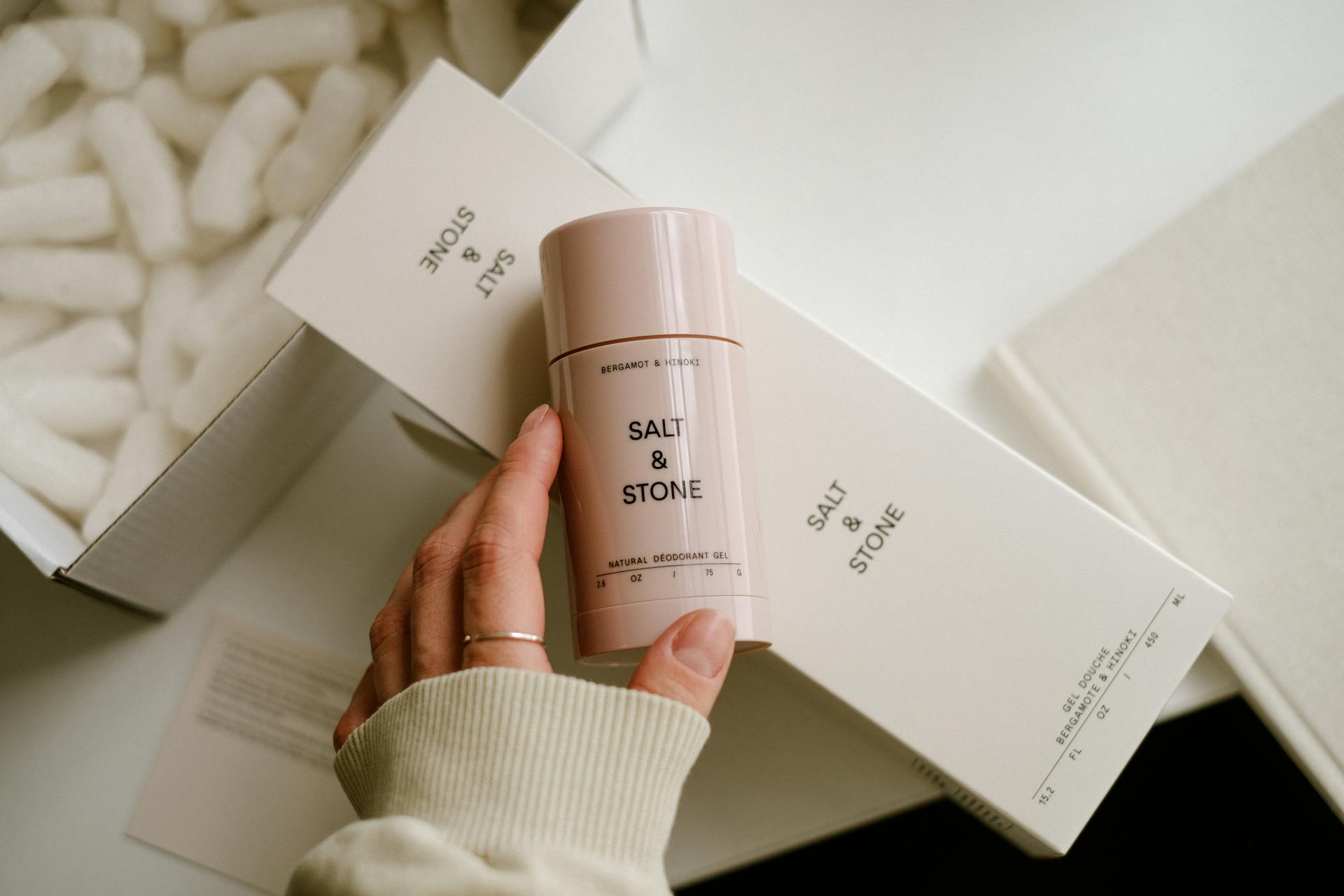
The ZD solution : either make your own homemade deodorant here , or buy your super natural and organic deodorant from these brands to name a few: CoZie, Lamazuna, Pachamamaï, Clémence et Vivien, Schmidt’s…

8- LABELLO

In addition to being made from animal fat (1, 2, 3 I’m going to throw up), Labello lip balms are full of junk. Knowing that we put this on our mouths, we must not ignore the fact that we always swallow a little without paying attention.

The ZD solution : make your own homemade balm here , very simple and ultra effective.

9- SHOWER GEL AND SHAMPOO

It goes on our body, on our head, it goes through the pores of the skin to go inside… I’m not going to draw you a picture but it sucks when you use something of poor quality. And it also works for all the products used for babies.

The ZD solution : good old Marseille soap (the real one with 72% olive oil) and good quality solid shampoo. Find my comparison of solid shampoos here .

10- TOOTHPASTE

Same as above, it goes on our body, in our mouth and we swallow it every time. For the moment almost all standard commercial toothpastes have been tested positive for endocrine disruptors by UFC Que Choisir.

The ZD solution : make your own toothpaste here , use Marseille soap or go for brands such as Lamazuna, Pachamamai, Clémence et Vivien and maybe soon CoZie 😉

If you want to know more and see the full list of products concerned and be able to sort them at home, it’s here or here .

Living Zero Waste Sexuality

Yes, zero waste affects all aspects of life! So we’re going to talk without filters, without taboos and a little muy caliente today…

Why do I suddenly want to talk about sexuality here? Well, I have a friend who came to see me all embarrassed and who after a few minutes of beating around the bush asked me the question: “but how do you do after the act to… well you know… when it leaks… well, what do you do to not use disposable paper… to… to… wipe yourself…?”

Well yes, what a good question in the end!

Well, I simply replaced my paper towel/tissue with a washable fabric handkerchief that goes straight into the laundry basket. I have several designed for this purpose and it works perfectly.

So just to give you a bit of background on my status, I’ve been in a relationship with the same boyfriend for almost 6 years now and my zero waste transition took place 3 years ago. So this story of changing my habits regarding disposable paper was something we both experienced together.

As a feminist, I find it very important that women free themselves from prejudices and taboos around their bodies and sexuality and not be ashamed to ask questions about these subjects. We are talking more and more about menstrual cups, everywhere and without taboos and I think that’s great! By the way, if you didn’t know, there is a site that lists all the “cup safe” places to wash your cup in the world and of which I am one of the ambassadors 😉

So, I realized that in addition to the cup and washable tissues, there are 2 other aspects of sexuality that can be zero waste and better for your health.

(Please note that these are just tips, I am not a gynecologist and what works for me may not work for others.).

CHANGING CONTRACEPTION:

After years of hormones, pills and other crappy contraceptives, I had a non-hormone copper IUD fitted 7 years ago. I kept it for 6 years (changed the module after 5 years) and I have to say that it is a great method of contraception. It even works for nulliparous women because there are smaller versions.

No risk of forgetting to take the pill, no hassle, no waste, no hormones, no urine polluting the water table… A very good alternative for your health and the environment.

Today I am following a more natural method, which is more suited to people in a single-partner relationship: symptothermal method . Compared to other so-called natural methods, it is the only contraception that is based on at least two criteria to determine the fertile and infertile phases: cervical mucus, position of the cervix, internal feeling + temperature. It will soon be 1 year and I find that this method, in addition to being effective, has really reconnected me to my female body. But be careful, it requires precision and a little organization. You will find very good explanations here or here .

BUY ECO-FRIENDLY CONDOMS:

MEGA DISCLAIMER : zero waste condoms don’t matter!! Don’t tell yourself “I don’t want to produce waste so I don’t use a condom when I should”. It’s really the waste that we should not care about the most! I’m not going to lecture you on AIDS, STDs…

On the other hand, we can choose better condoms, natural, healthy, fair and good for the planet.

Today, 4 billion condoms are produced each year from oil. Condoms are made of plastic (polyurethane) or synthetic latex. Most of them are manufactured in Thailand, and they are enriched with preservatives, flavorings and other chemical stabilizers that can cause irritation, allergies or fungal infections. Not to mention that these condoms are therefore full of endocrine disruptors…

Here are some sites where you can find natural, non-toxic and equally effective condoms:

The Green Condom Club

Fair Squared

Glyde

Birds’n Bees

Curated Content

DIY / Anti-Perspiration & Anti-Odor Deo

When I am asked about my lifestyle, the question of deodorant often comes up. Yes, because one must imagine that…

Top of the Week

Featured

Worth a Read

Advertisement

In the Spotlight

10 Products Full Of Endocrine Disruptors That Can Be Replaced With Healthy, Zero Waste Options

To start the year off right, there’s nothing like making a little list of simple things to replace with healthy,…

onlyfans gratuit

10 Simple Ways to Refresh Your Daily Routine for a Happier, Healthier Lifestyle

  Updated Aug 30, 2025 In today’s fast paced world daily routines become mundane, causing us to feel like we…

Bambino Mio Washable Diapers: Our Experience And Our New Habits

After all this talk on social media, here is finally our feedback on Bambino Mio brand washable diapers ! So…

DIY / Anti-Perspiration & Anti-Odor Deo

When I am asked about my lifestyle, the question of deodorant often comes up. Yes, because one must imagine that…

Suggested for You

Popular Categories

Don’t Miss This

Get In Touch